

Why Visit the National Museum of Korean Contemporary History?
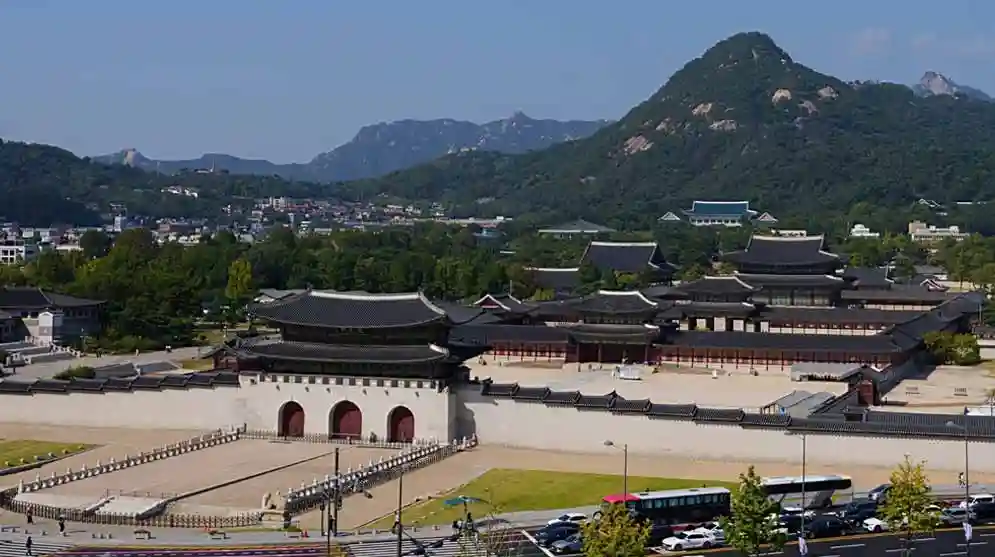
If you’re visiting Gyeongbokgung Palace, don’t rush off to your next stop just yet.
The National Museum of Korean Contemporary History is right across from Gwanghwamun, and it’s definitely worth adding to your itinerary.
Since it’s right by Gwanghwamun Square, it’s also an easy stop to pair with other nearby attractions without going too far out of your way.
The museum covers Korea’s modern history and how the country changed so dramatically over the past century. But that’s not actually why I’m telling you to stop by.
There’s one spot you really shouldn’t miss when you’re here.
The Free Rooftop View of Gyeongbokgung Palace
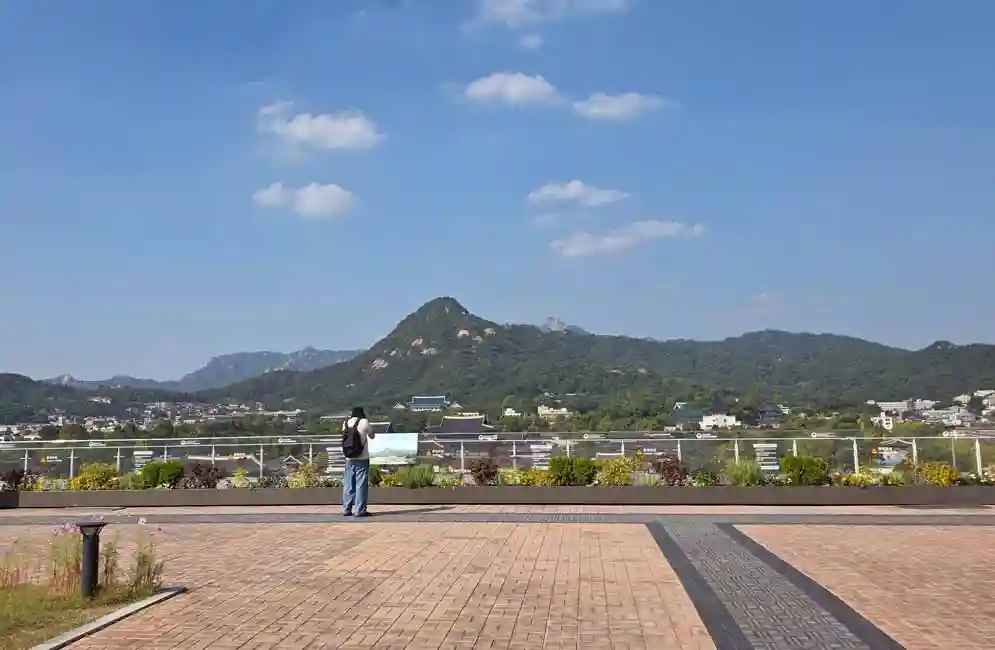
Take the elevator up to the 8th floor, and you’ll instantly see why this place is worth the stop.
You get a wide-open view of Gyeongbokgung Palace, with Gwanghwamun Gate and the mountains in the background. From up here, you can see the palace from a completely different angle than you get while walking around inside.
And the best part? It’s completely free. 😊
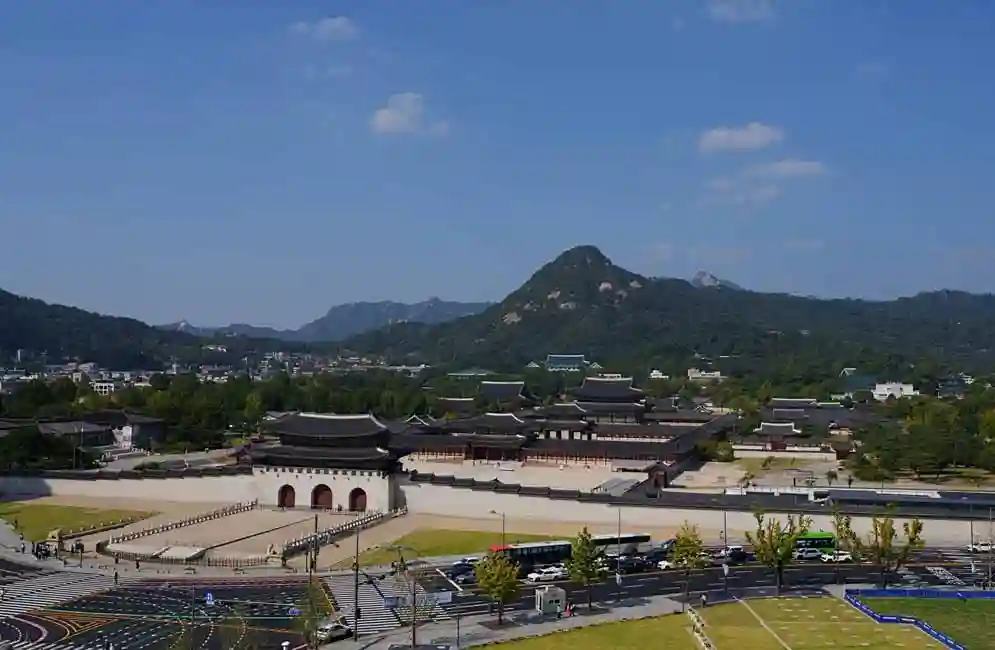
Step outside, and Gyeongbokgung Palace—the place you just walked around—is right there in front of you.
From one spot, you can take in the whole palace grounds, Gwanghwamun Gate, and even the Blue House tucked behind them, with the mountains wrapping around the whole scene. Honestly, the view is pretty incredible.
You get this really cool mix of old and new Seoul all in one frame—the palace and mountains on one side, and the city stretching out around them.
It’d be such a shame to come all the way to Gyeongbokgung and miss this view.
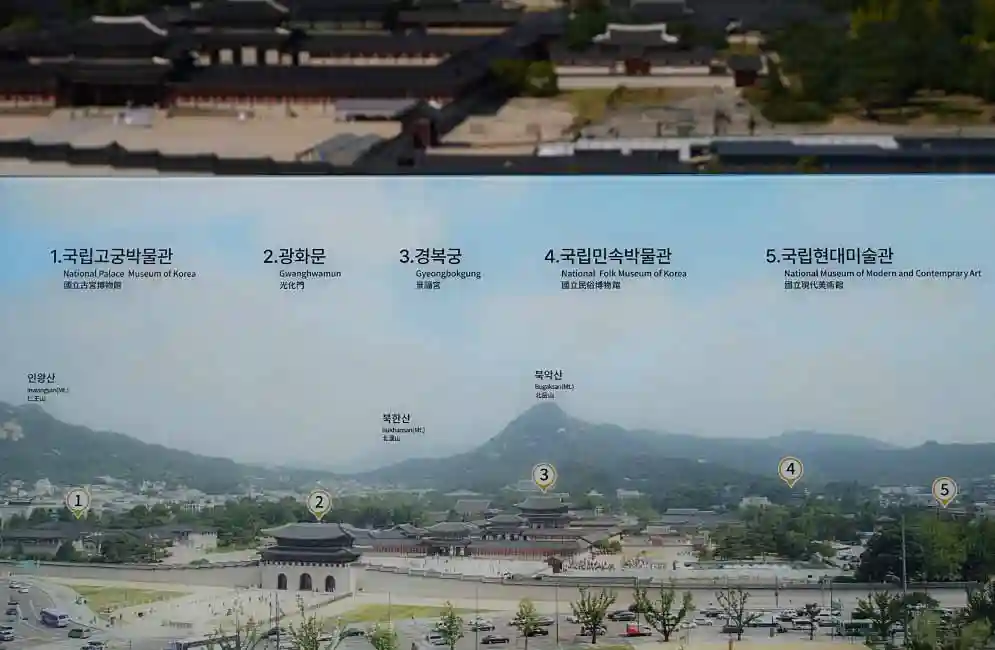
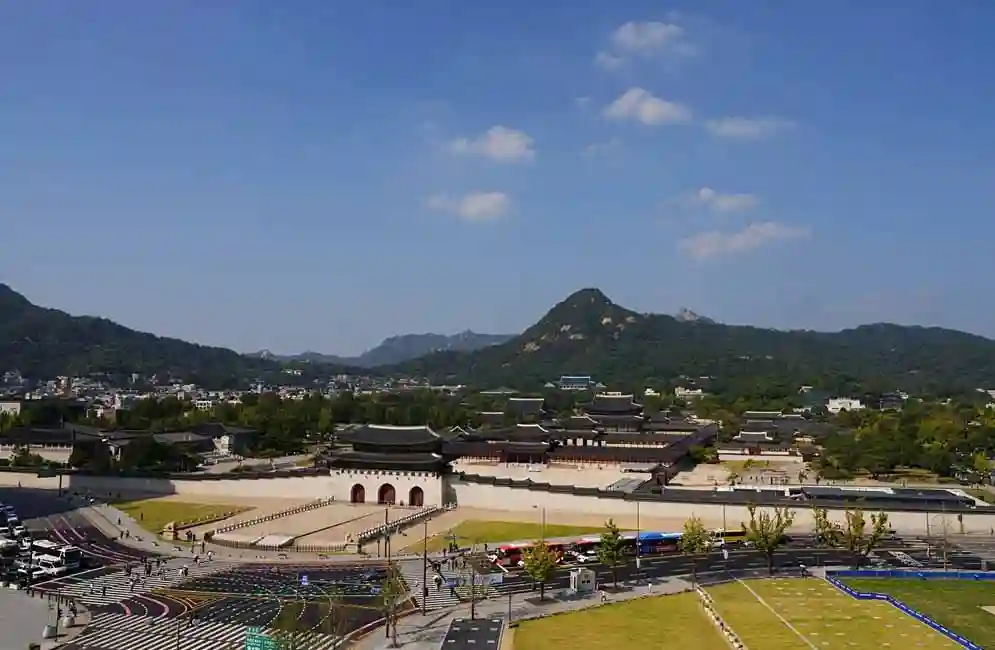
We went on a Tuesday, when Gyeongbokgung is closed, so the palace looked pretty quiet from up here. I was actually surprised by how clearly we could see the Woldae in front of Gwanghwamun Gate. It made me think that coming on a day when Gyeongbokgung is open and watching the Royal Guard Changing Ceremony from up here would be such a cool way to see it—it’d almost feel like having a front-row seat to a show.
How to Visit the National Museum of Korean Contemporary History
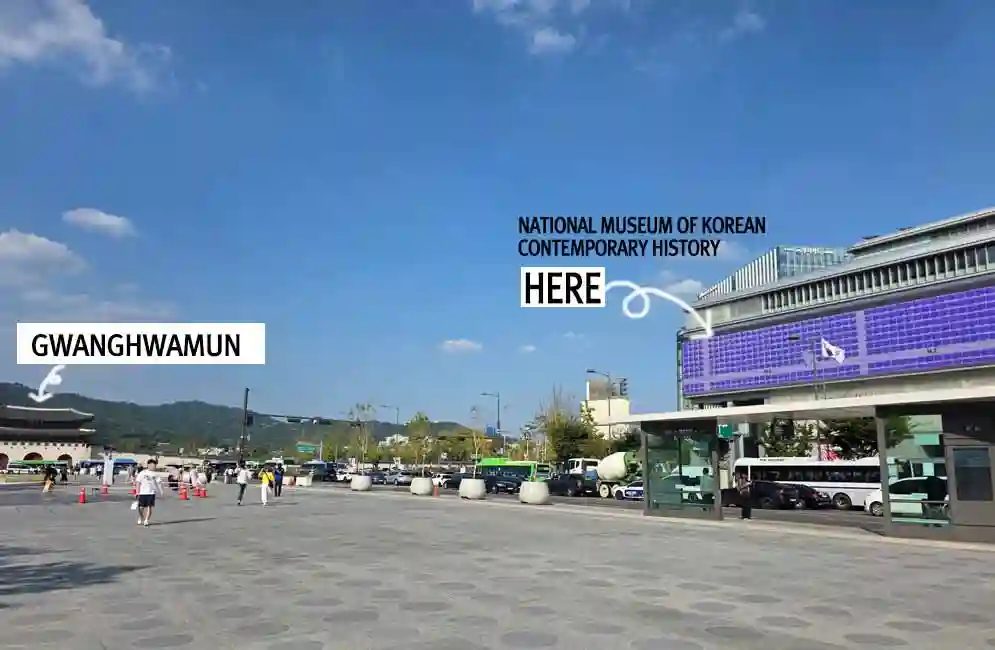
As you come out through Gwanghwamun Gate, you’ll see the National Museum of Korean Contemporary History just across to the left.
It’s so close to Gyeongbokgung that it’s hard to miss. It’s practically right there, so honestly, it’s not even a place you can say you skipped because it wasn’t on your way.
Since it’s this close, we decided to stop by—and I’m really glad we did.
National Museum of Korean Contemporary History: Hours & Visitor Information
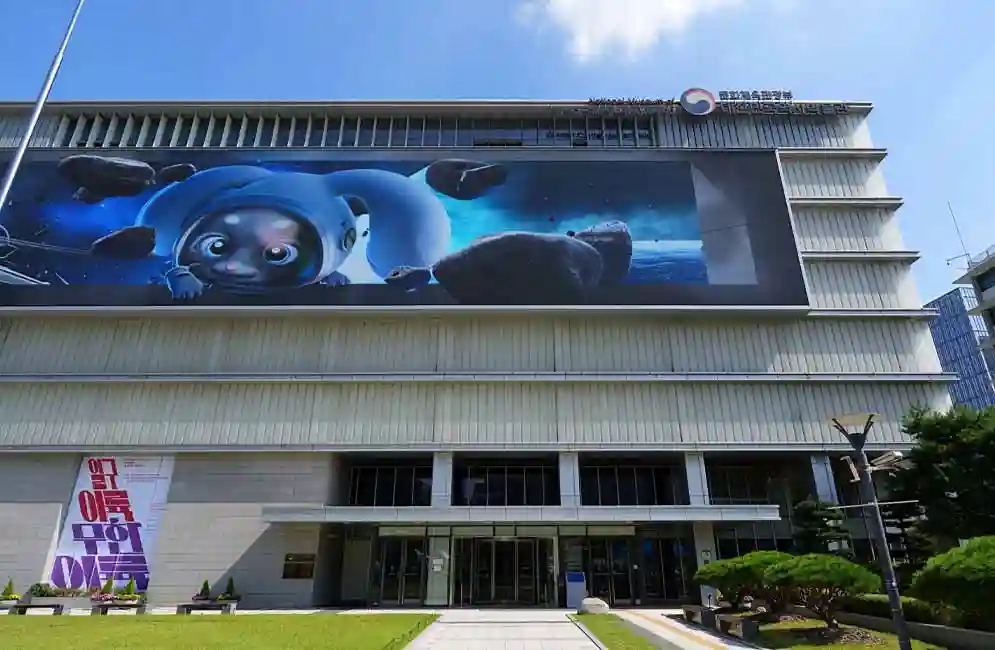
One thing worth knowing if you’re planning your visit: Gyeongbokgung is closed on Tuesdays,
but the National Museum of Korean Contemporary History is open every day.
So if you happen to be visiting Seoul on a Tuesday, you can still stop by the museum and enjoy the rooftop view—even when the palace itself is closed.
| Opening Hours | Mon, Tue, Thu, Fri, Sun: 10:00 AM–6:00 PM |
| Late Opening | Wed & Sat: 10:00 AM–9:00 PM |
| Last Admission | 30 minutes before closing |
| Admission | Free |
| Closed | January 1 & Chuseok |
| Rooftop Garden | 8th floor · 10:00 AM–6:00 PM |
| Rooftop on Wed. | Open until 9:00 PM |
| Nearest Subway | Gwanghwamun Station (Line 5), Exit 2 |
What to See Inside the Museum
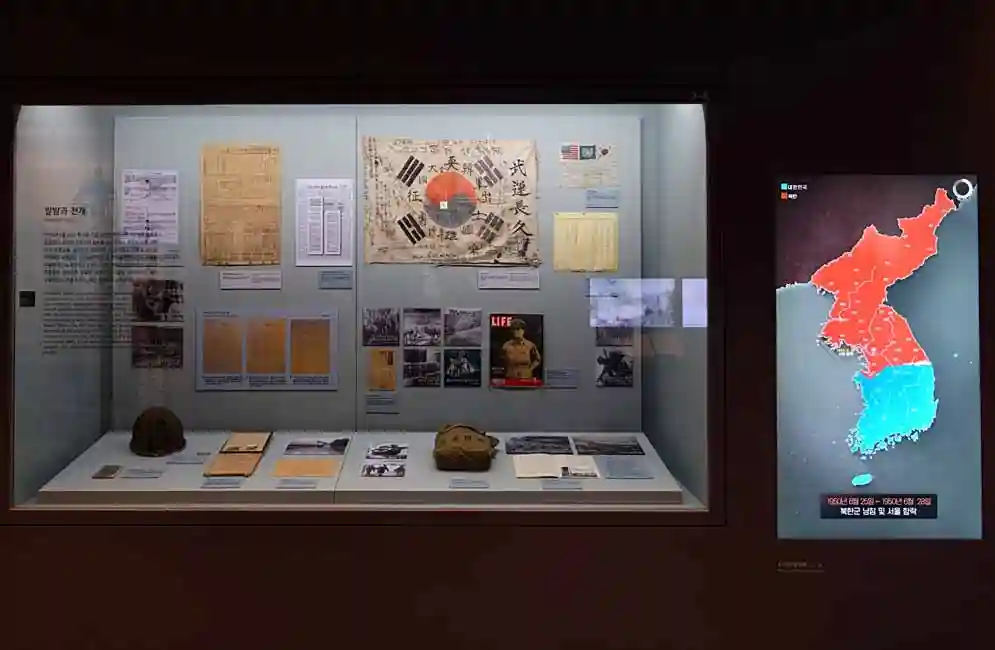
If you have some extra time, it’s worth taking a look inside the museum, too.
The exhibitions walk you through Korea’s modern history, from the late 19th century to the country we know today. You’ll see everything from the story of Korea’s independence and the Korean War to the rapid changes that shaped modern Korean life.
There are also some really interesting pieces on display, including Ahn Jung-geun’s final writings, the original March 1st Declaration of Independence, and personal belongings from people who lived through the Korean War.
You don’t have to be a huge history fan to enjoy it. Even just walking through a few of the galleries gives you a little more context for the Korea you’re seeing outside the museum.
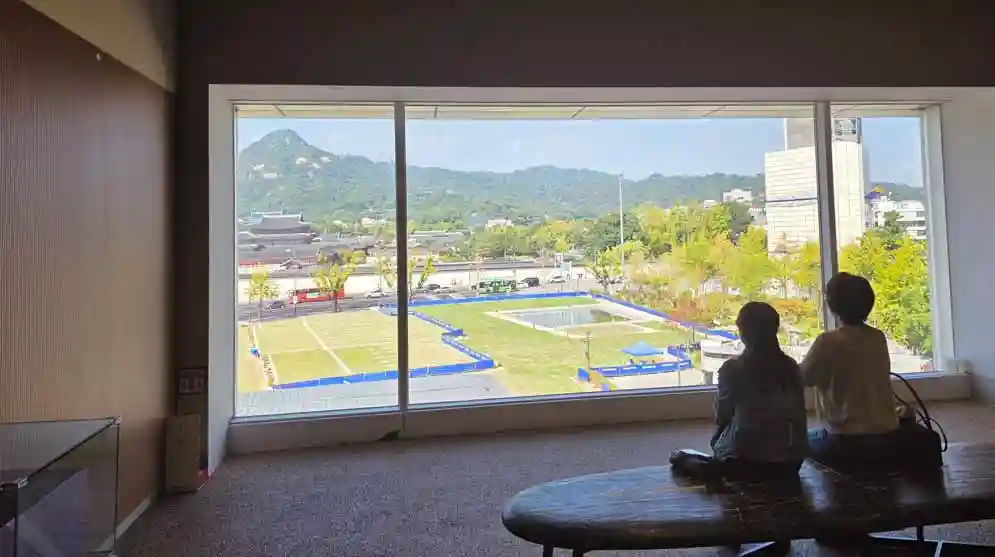
As you walk through the exhibits on the 5th floor, you’ll come across a quiet little spot where you can sit and look out over Gyeongbokgung.
The view feels totally different from the rooftop. Instead of the wide-open city view, you’re looking down at the palace from inside the museum, with Inwangsan rising behind it. It’s actually a really nice place to sit for a bit, especially after all that walking.
I sat down for a few minutes to give my legs a break and enjoy the view. Then, just as I was getting up to see the next exhibit, I noticed a purple box nearby.
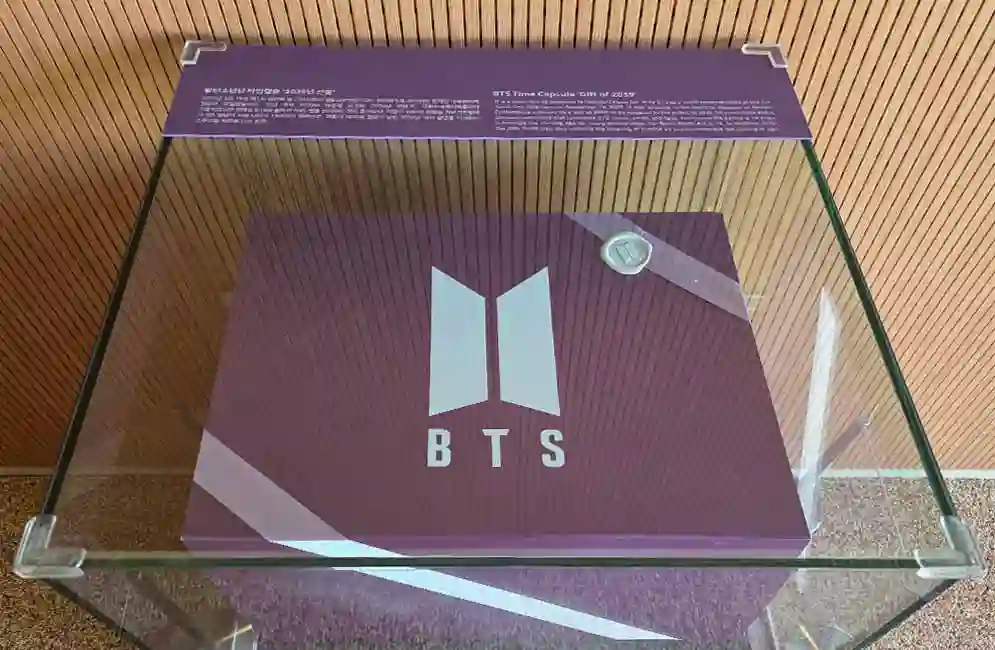
It was BTS’s Time Capsule.
I vaguely remembered seeing it in the news, but I had no idea it was kept here. Apparently, it’s not supposed to be opened until 2039.
I’m just a little curious what my age is going to be by that point… 😅
Grab a Coffee With a View of Gyeongbokgung
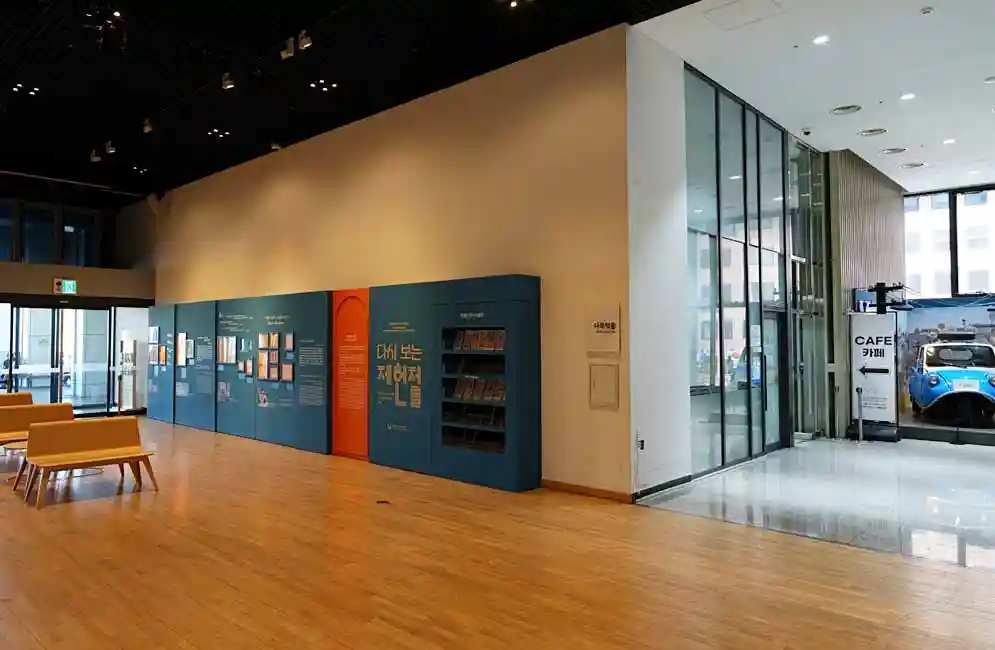
There’s also a small café called Cafe ‘I got everything(아이갓에브리씽)’ on the 3rd floor.
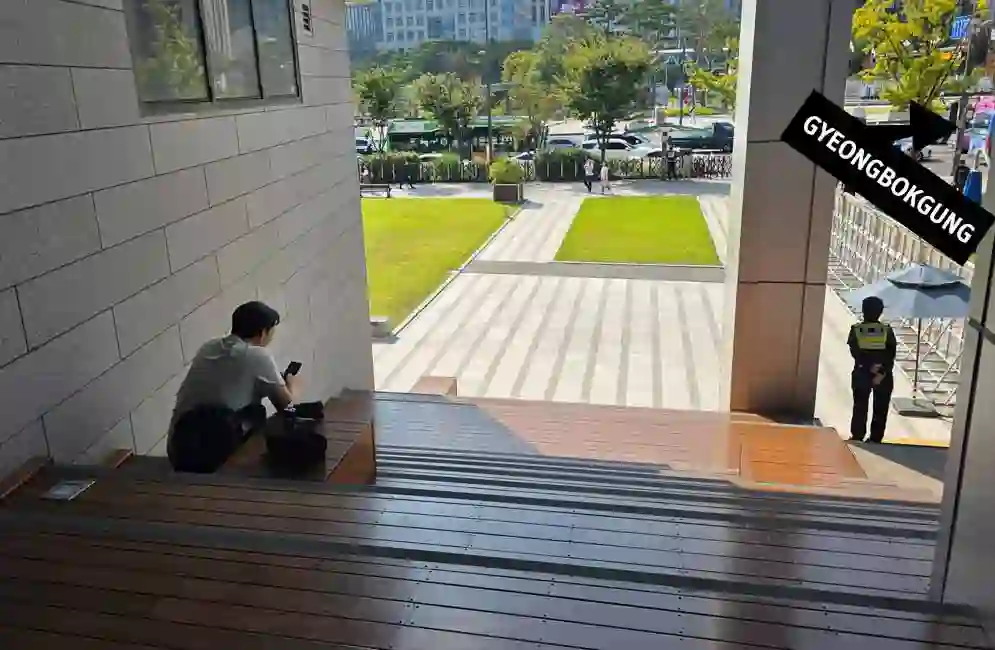
And here’s something I didn’t know before coming—you can actually get in from the Gwanghwamun side, so you don’t have to walk through the museum first. If you just want to grab a coffee, you can come straight in from that side.
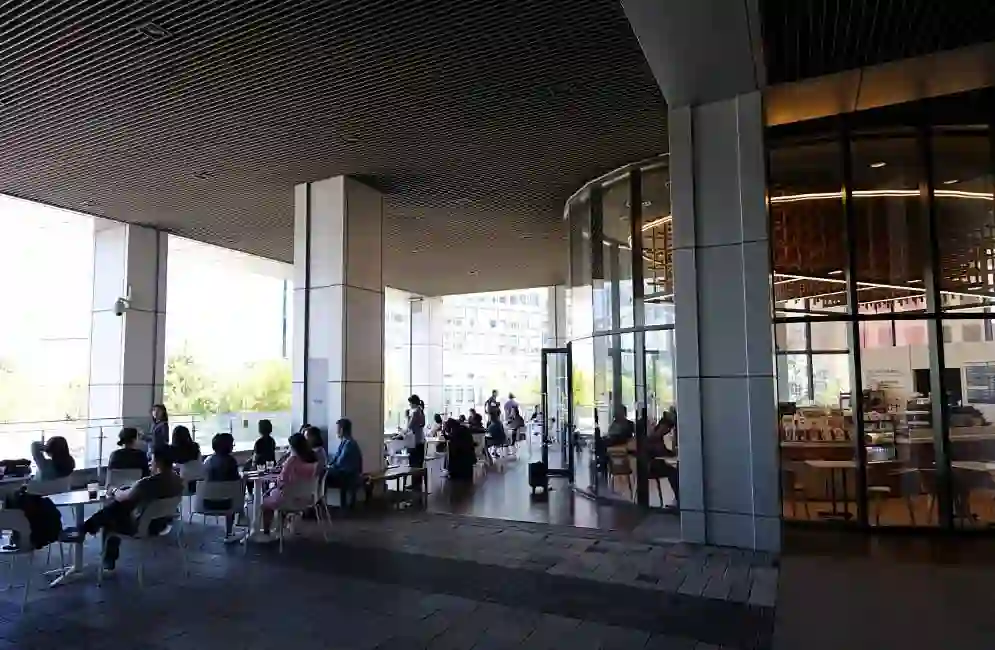
The prices are pretty nice, too. An Americano is around ₩3,000, and a café latte is about ₩3,500.
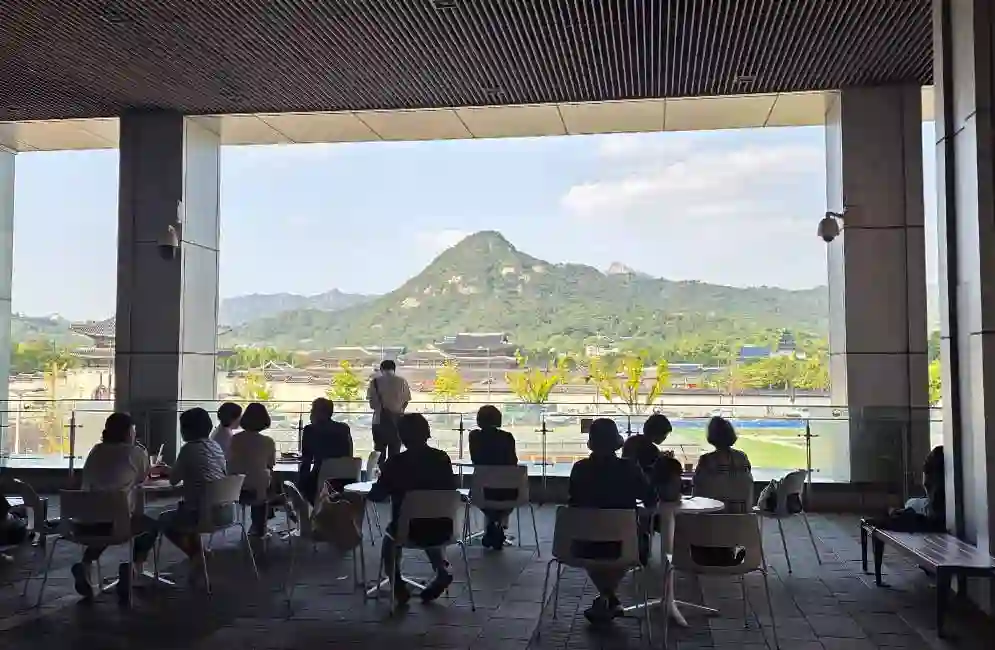
The café is small, but there are seats where you can sit and look out toward Gwanghwamun and Gyeongbokgung Palace. After walking around the palace and museum, it’s a pretty nice excuse to sit down for a while.
Where to Go Next: Easy Stops Near Gyeongbokgung
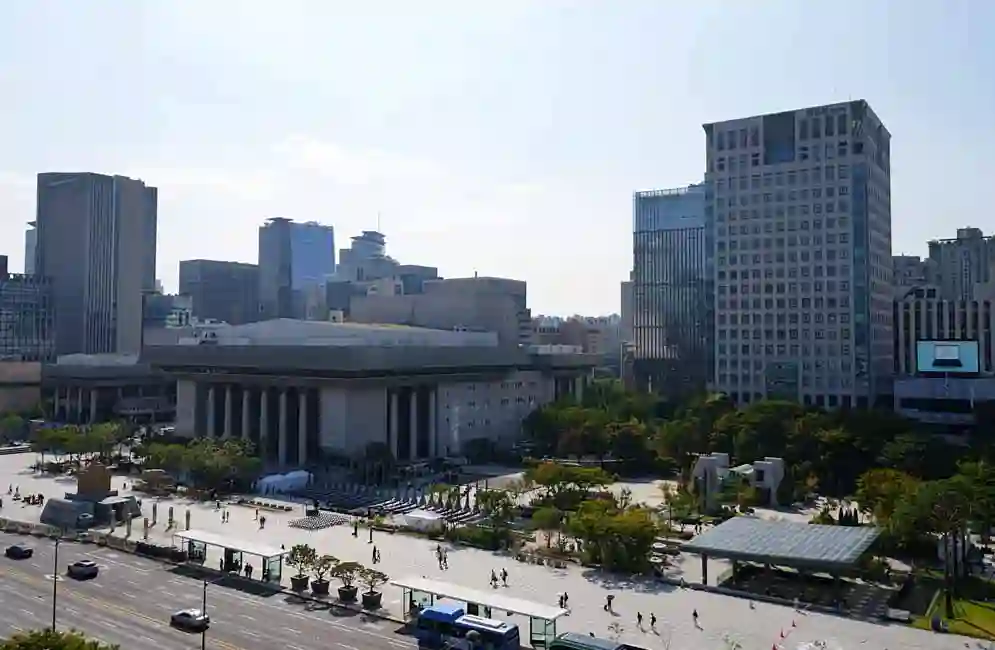
After exploring Gyeongbokgung and taking a little break while looking down at the palace from the National Museum of Korean Contemporary History, you don’t really have to go anywhere else.
Bukchon Hanok Village, Gwanghwamun Square, Insadong, and Cheonggyecheon Stream are all close enough to walk to, so you can just keep wandering around the area.
Your legs might not be quite as happy about that by the end of the day, though. 😂
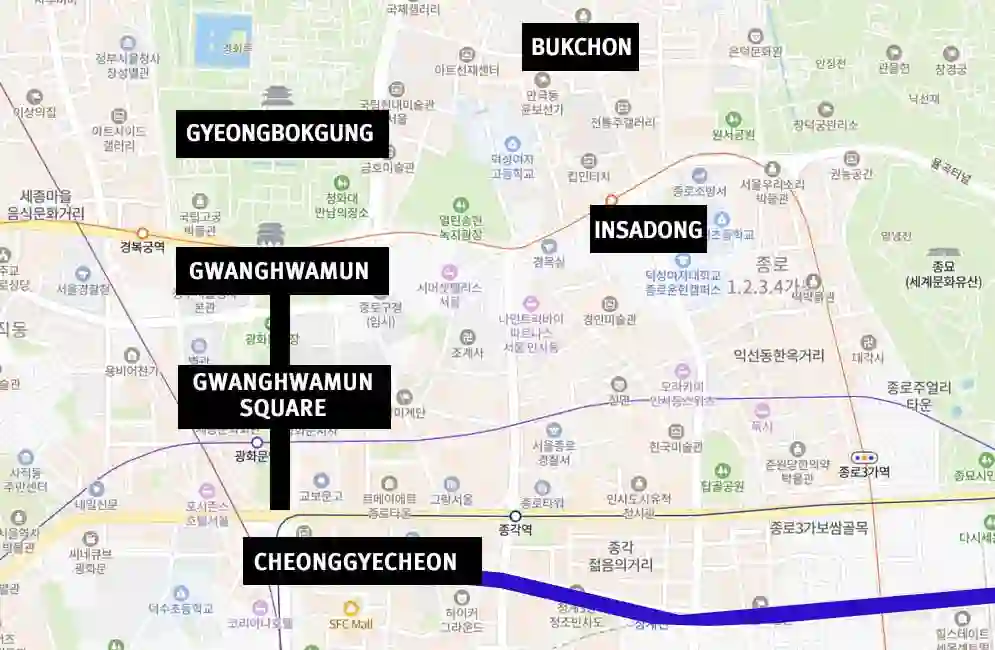
But that’s actually what I like about this part of Seoul. You can see a lot without constantly checking subway maps or figuring out where to transfer.
If you’re already spending the day around Gyeongbokgung, I’d definitely add this museum to the route. The admission is free, the rooftop has a great view, and it gives you a nice place to take a break before continuing on.
So next time you’re at Gyeongbokgung, don’t just leave after seeing the palace. Walk across Gwanghwamun Square, head up to the rooftop, and see the palace from a completely different angle.
👉️ Heading toward Cheonggyecheon?
I wrote a separate guide to the walk, so you can check it out before you go