

Why This DMZ Tour from Seoul Is Worth Considering
When you’re planning a trip to Korea, it’s easy to picture the mountains, colorful palaces, amazing street food, and, of course, K-pop.
But if you’re looking for something truly unique—an experience you can’t really have anywhere else in the world—I’d definitely recommend adding the DMZ to your Korea itinerary.
It’s one of those places that leaves a lasting impression, not just because of what you see, but because of the history and stories behind it.
So, what makes it so special?
Because you’re literally standing in the middle of living history.
The DMZ is a 4-kilometer-wide buffer zone that has separated the Korean Peninsula for decades. Standing there and looking across the Imjin River toward North Korea through a telescope is honestly surreal. It’s one of those experiences that’s hard to fully describe until you’re actually there—and you definitely won’t find anything quite like it anywhere else in the world.
Is the DMZ actually safe?
Yes. For tourists visiting the designated areas, the DMZ is highly controlled and carefully managed. The name “Demilitarized Zone” might sound a little intense, but visiting the DMZ as part of an organized tour is a very different experience from what you might imagine.
Tourists visit the designated areas with professional guides and under strict security procedures, so you’re not just wandering around on your own. Thousands of international visitors make the trip each year, and the whole experience is much more organized and straightforward than the name might suggest.
Isn’t the DMZ too far from Seoul?
Not at all. The DMZ is only about an hour by car from Seoul, so it’s actually pretty easy to fit into your Korea itinerary.
You can do it as a half-day or full-day trip, then head back to Seoul and still have the evening free. So yes, you can see one of Korea’s most unique places during the day and still be back in the city for dinner.
Why Booking a Tour Is the ONLY Smart Way to Visit the DMZ
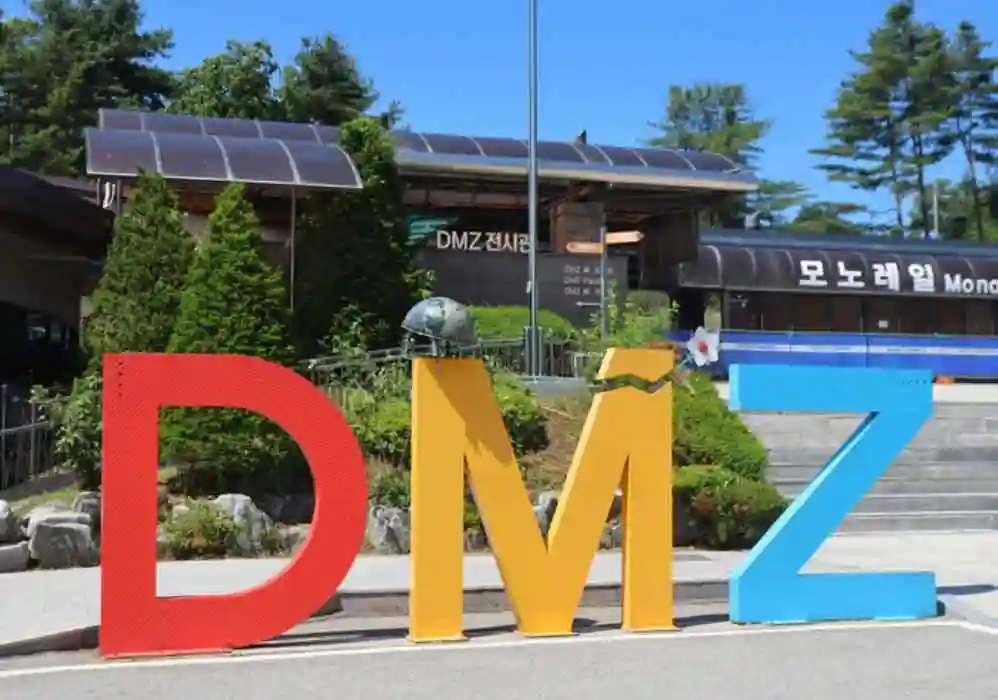
You can’t just visit the main DMZ sites on your own — and that applies to Koreans, too.
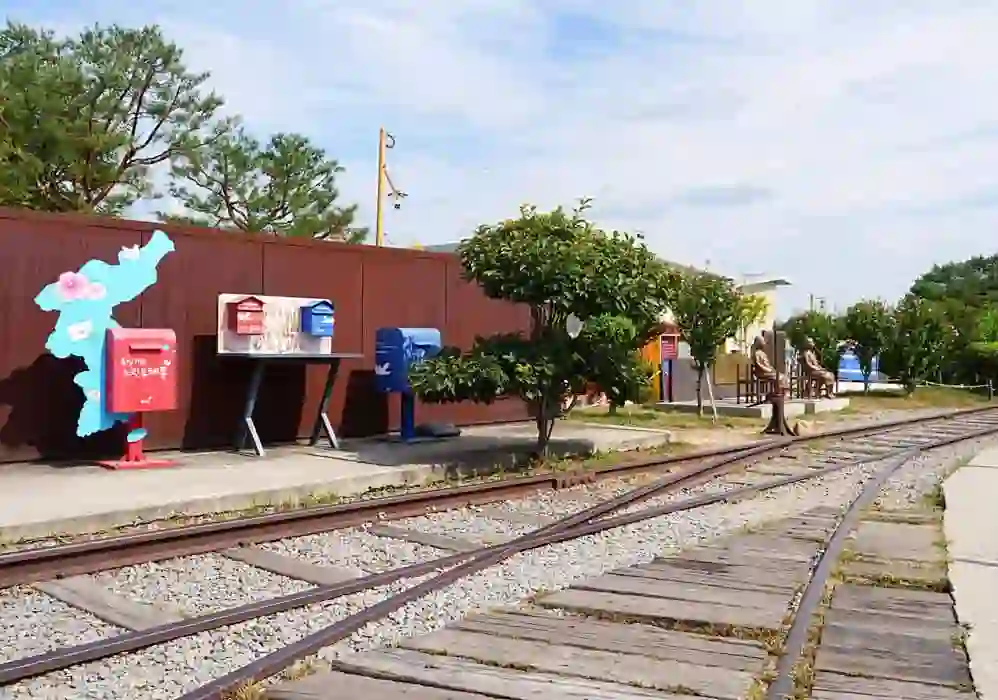
Whether you’re Korean or a foreign visitor, you can visit areas around the DMZ, such as Imjingak Peace Nuri Park, independently. But some of the key sites, including the 3rd Infiltration Tunnel,
Dora Observatory, and Tongil Bridge, are located inside the Civilian Control Zone.
To visit these areas, you need to go through an authorized tour or designated group program.
So even if the DMZ is only about an hour from Seoul, it’s not exactly a place where you can just show up and explore at your own pace.
Between strict military entry rules, limited daily tickets, and language barriers, booking a guided tour in advance isn’t just convenient—it’s practically essential.
With a single reservation, you get round-trip transport on a comfortable coach straight from central Seoul (with easy pick-ups in Hongdae or Myeongdong). Plus, a licensed English-speaking guide handles all the military checkpoints and brings the rich history to life along the way.
What You’ll See on the DMZ Tour
Imjingak Peace Nuri Park
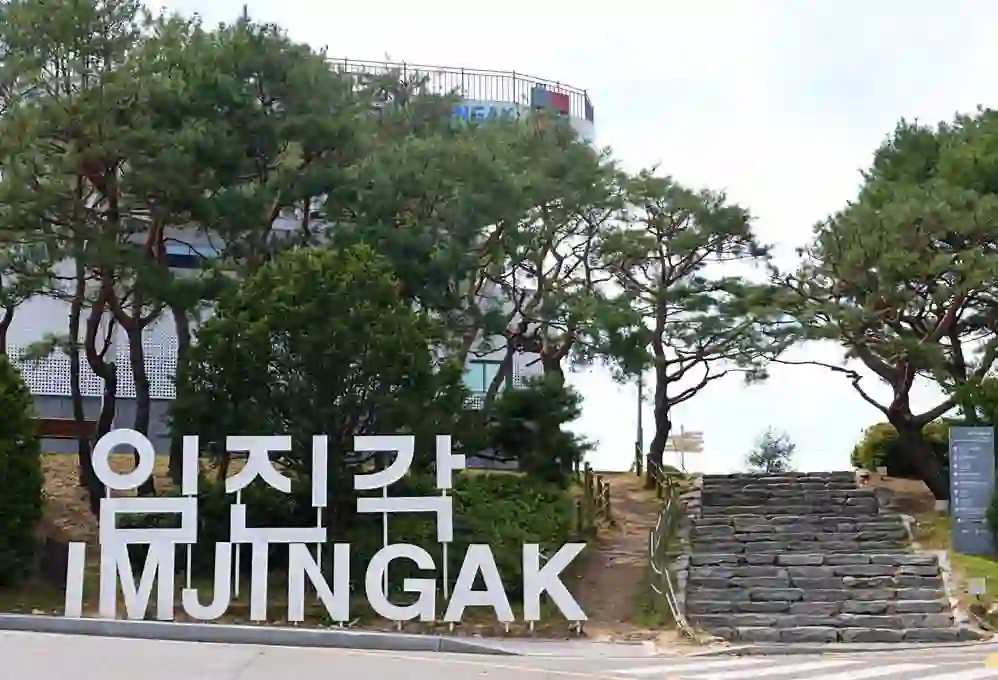
Imjingak Peace Nuri Park is basically where the DMZ experience begins. It’s one of the last areas you can explore freely before you get into the more tightly controlled parts of the DMZ.
You don’t need a special reservation just to visit the park, and there’s plenty to see around Imjingak itself, The catch? Getting here from Seoul by public transportation can be a bit of a hassle.
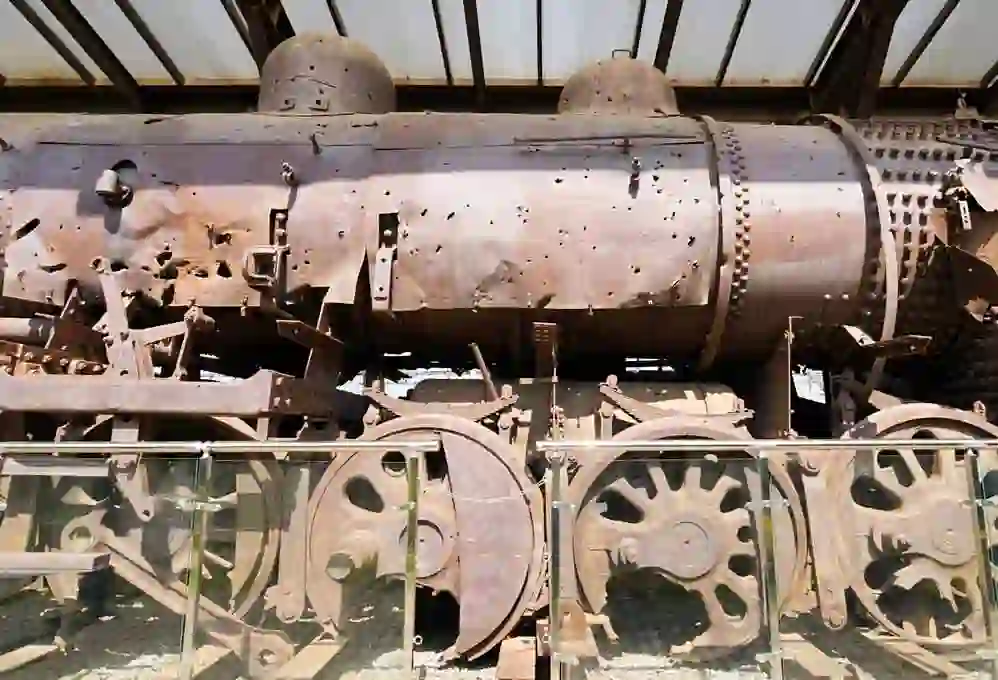
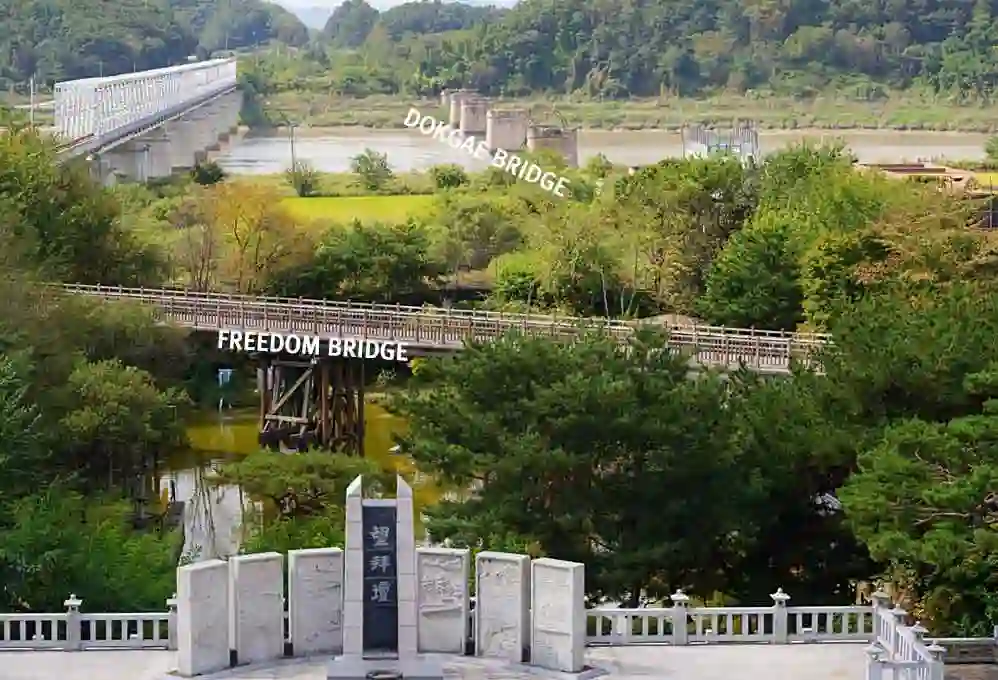
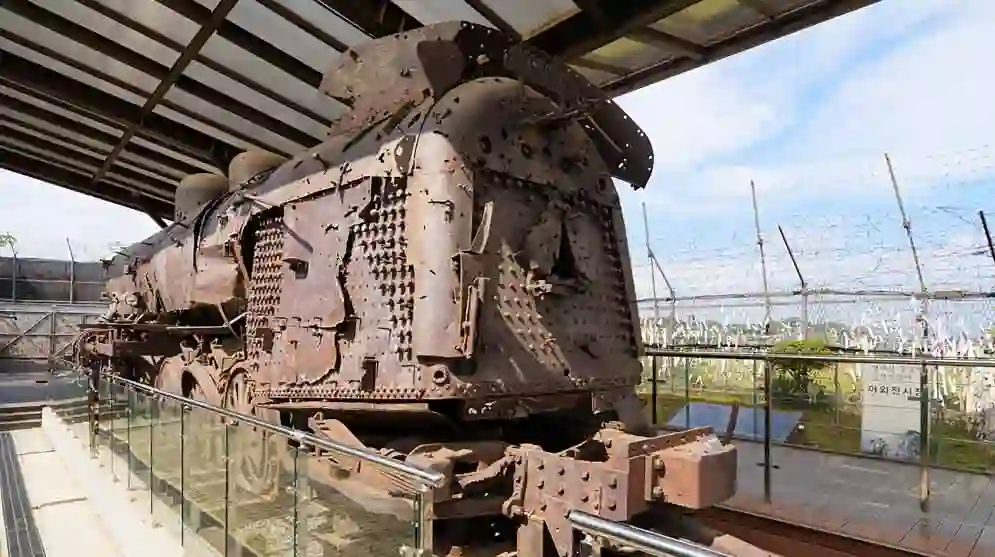
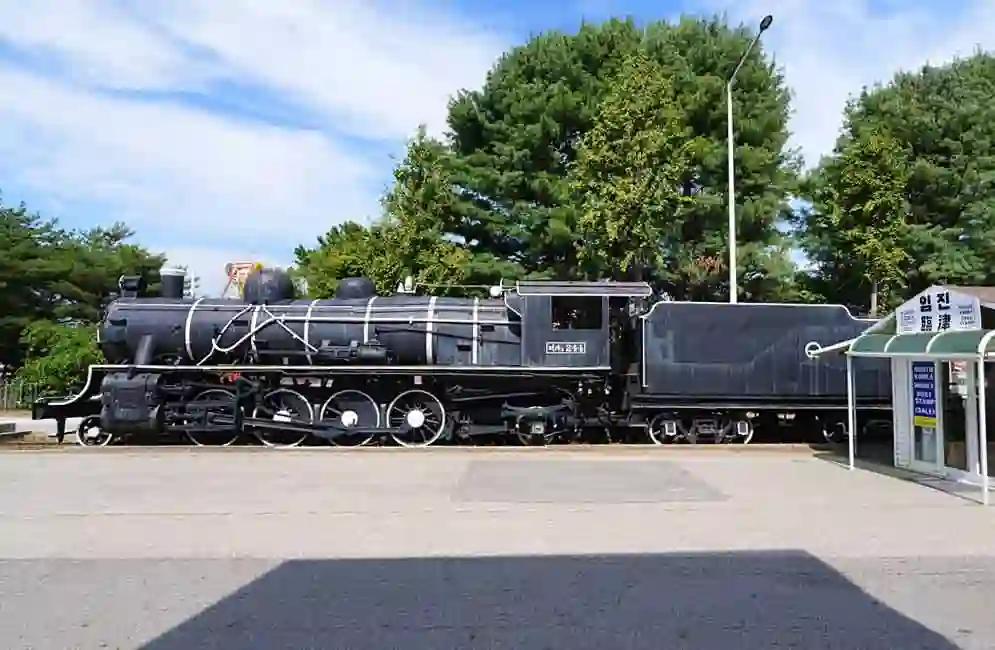
What to See : Imjingak is a place where you can see real traces of the Korean War, including the bullet-riddled Jangdan Station steam locomotive, Dokgae Bridge, and the Freedom Bridge. Seeing these reminders of the war makes the reality of Korea’s division feel much more real.
One thing to know: you can’t actually see North Korea from Imjingak.
To see North Korea, you’ll need to go farther into the DMZ.
Imjingak Peace Gondola
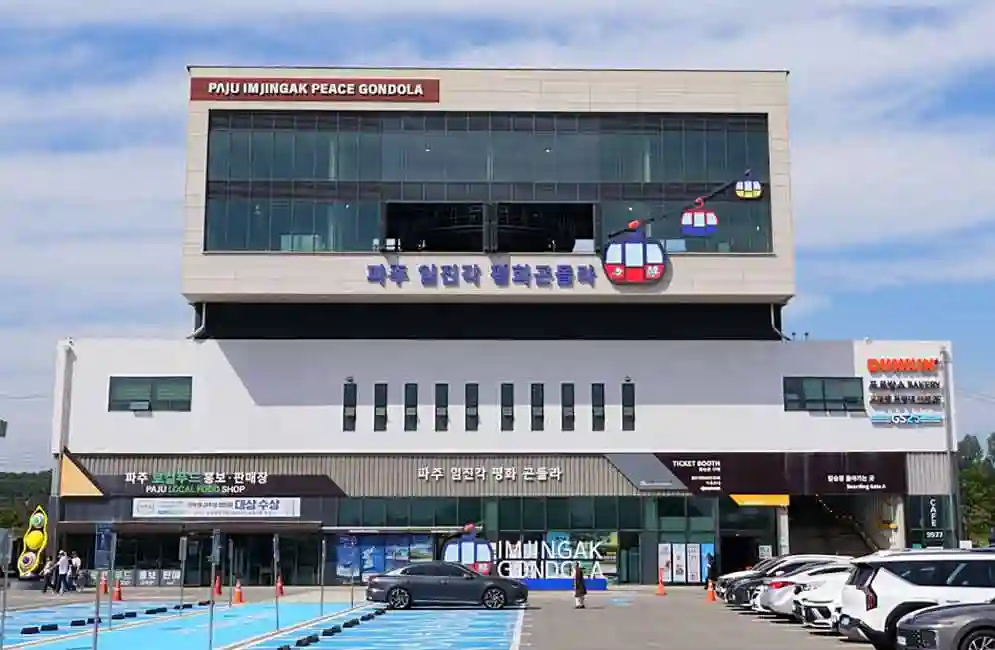
The Imjingak Peace Gondola takes you across the Imjin River and into the Civilian Control Zone, giving you a pretty unique view of the DMZ area from above.
Once you get off at the DMZ Station, you can explore the area around Camp Greaves, a former U.S. military base that has been turned into a cultural and historical space.
You’ll find observation spots, exhibitions, and preserved traces of the old military base—a pretty unexpected side of the DMZ that you can actually walk around and explore.
The 3rd Tunnel
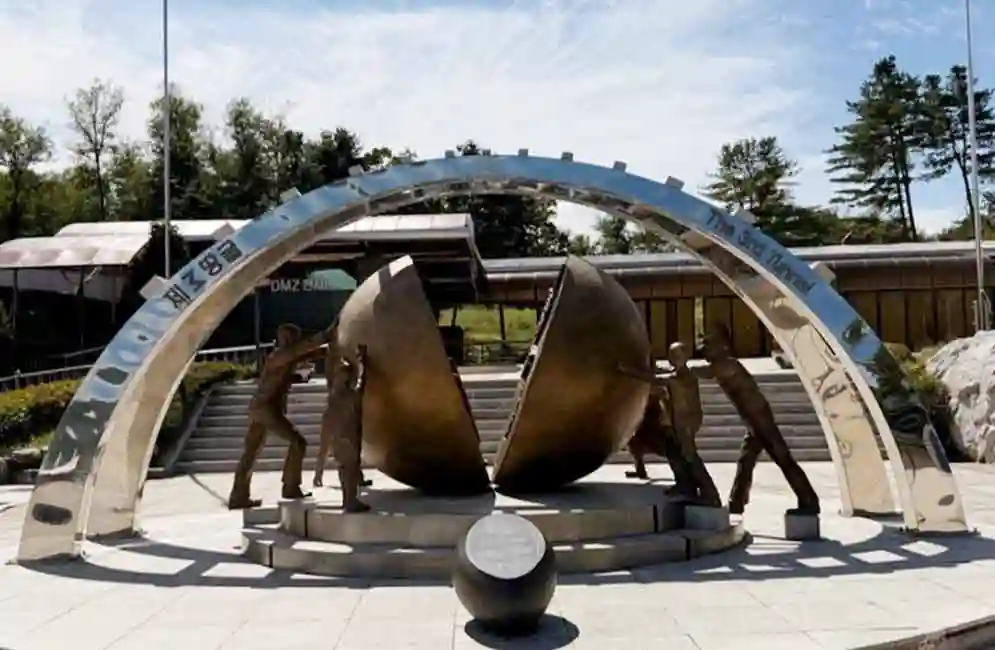
The 3rd Tunnel is a real underground tunnel built by North Korea in the 1970s as part of an attempted infiltration route into South Korea. It was discovered in 1978 and is the ‘closest to Seoul of the four North Korean tunnels discovered so far’, sitting about 52 km from the city.
And this isn’t just something you look at from behind a railing—you can actually ‘put on a helmet and walk into the tunnel yourself’. It’s pretty wild to think that you’re standing inside a tunnel that was secretly dug beneath the DMZ decades ago.
Dora Observatory
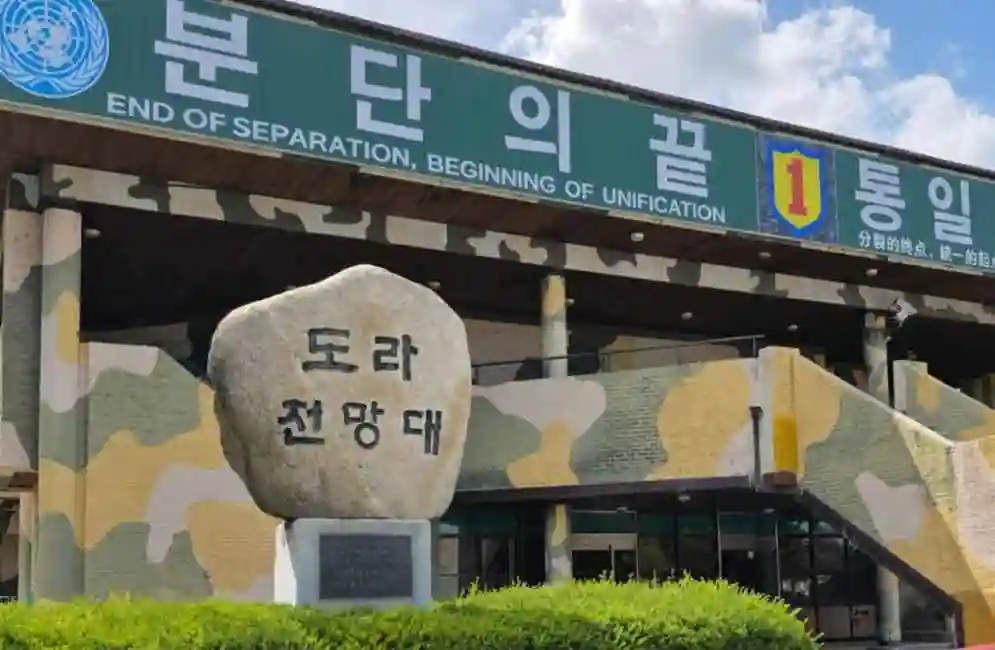
This is where you can finally get a real look into North Korea. From Dora Observatory, you can use the binoculars to see North Korean territory, Kijong-dong (often called the “Propaganda Village”), the Kaesong Industrial Complex, and parts of Kaesong across the border.
On a clear day, you may even spot people going about their daily lives in North Korea.
Tongilchon Village
Tongilchon is a real village inside the Civilian Control Zone, where people actually live.
It’s also a chance to check out some of the area’s local specialties, especially Jangdan soybeans, rice, and ginseng, along with DMZ-themed souvenirs and local products.
It’s a pretty interesting stop because this isn’t just a tourist attraction—you’re visiting an actual community right inside the DMZ area.
Gamaksan Suspension Bridge: Walk Across Historic Battlefields
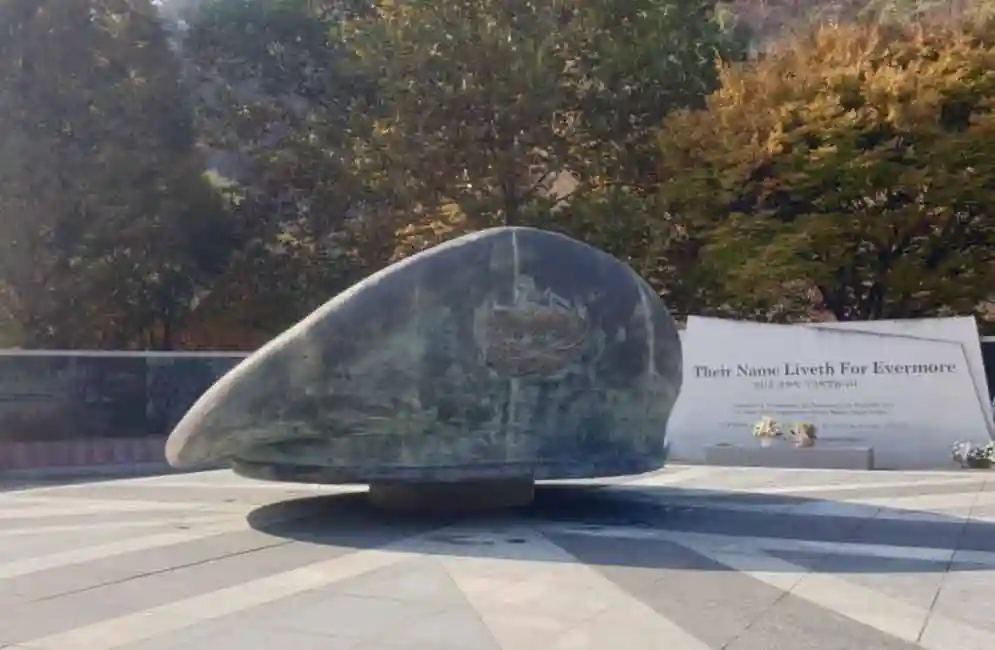
You might be wondering, “Wait, why are we stopping at a suspension bridge on a DMZ tour?”
It actually has a pretty deep connection to the Korean War. The Gamaksan area was the site of the Battle of Seolmari in 1951, where the British Army’s Gloucestershire Regiment fought a fierce battle against Chinese forces as part of the wider Battle of the Imjin River.
So while the 150-meter suspension bridge looks like a random scenic stop at first, there’s actually a lot of wartime history hiding around it.
Gamaksan Suspension Bridge
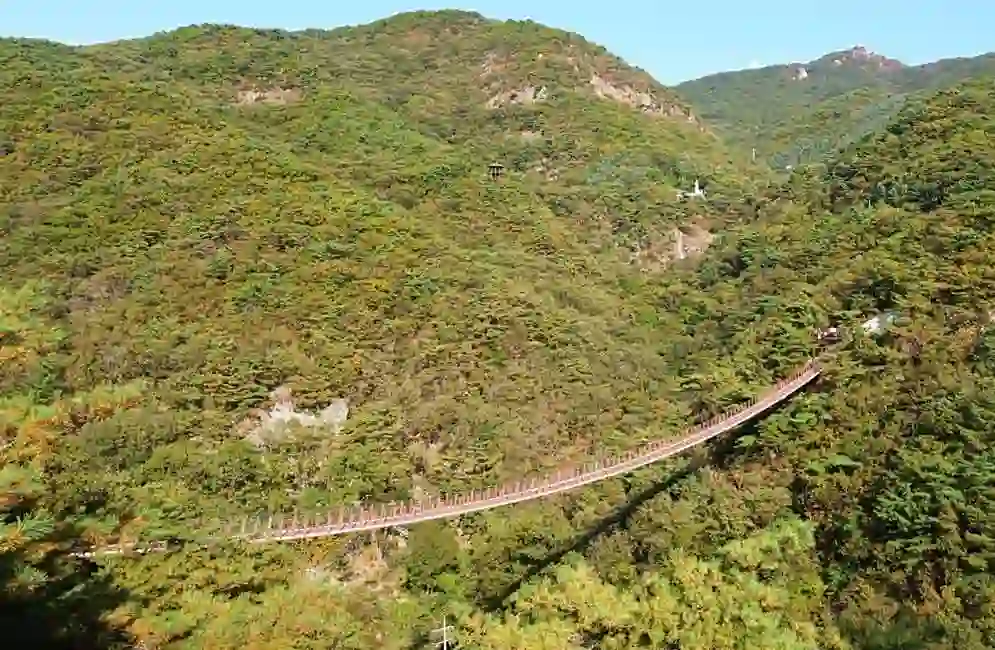
The bridge crosses Seolmari Valley, an area closely tied to the Battle of Seolmari in 1951, when the British Army’s Gloucestershire Regiment fought heavily outnumbered Chinese forces during the wider Battle of the Imjin River.
The regiment took major losses while holding its position and helping slow the Chinese advance toward Seoul. The Gamaksan Suspension Bridge is also nicknamed the Gloucester Heroes Bridge, honoring the British soldiers who fought in the area during the Korean War.
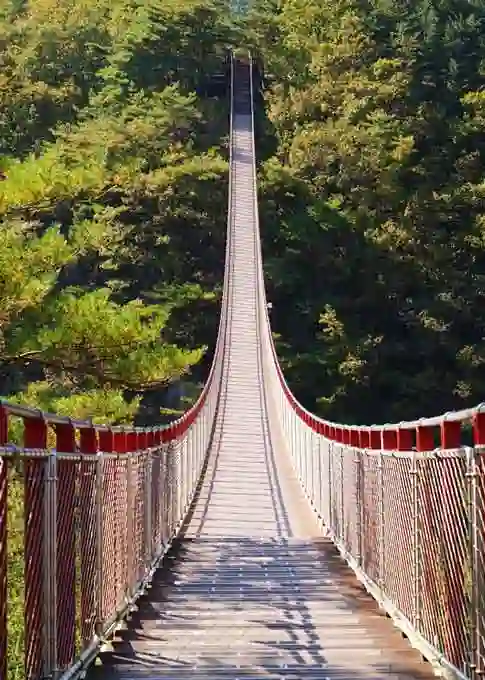
While walking on the bridge is exciting, cross all the way over to the observatory on the other side for the ultimate postcard shot featuring the bright red bridge contrasting with the green valley.
Whether covered in vivid autumn foliage, vibrant summer greenery, or crisp winter snow, the scenic backdrop makes for incredible photos year-round.
Is a DMZ Tour Worth It
If you’re visiting Korea for the first time, a DMZ tour is one of those experiences that can feel very different from the usual Seoul sightseeing.
You’ll see places connected to the Korean War, walk through an actual infiltration tunnel, look across the border into North Korea, and even visit communities and former military sites inside the Civilian Control Zone. Some stops might look like ordinary tourist attractions at first, but once you know the history behind them, they feel completely different.
One thing to keep in mind: you can’t simply explore the DMZ on your own. Access to many areas is restricted, so most travelers visit as part of an organized tour.
If you’re interested in Korean history or want to see a side of Korea that goes beyond palaces, shopping, and K-pop, a DMZ tour is definitely worth considering. Just choose a tour based on the places you actually want to see rather than picking one based only on the price.
Want to experience both the historic DMZ and the thrilling Gamaksan Suspension Bridge in a single day?